MONEY & HABITS · 5 min read
30 WAYS TO SAVE MONEY AND LIVE BETTER WITHOUT FEELING LIKE YOU GIVE UP EVERYTHING
Small habits that repeat every month do more than one big sacrifice you cannot keep up.

Saving money does not mean you can never enjoy anything again. It mostly means choosing more deliberately where your money goes.
Most savings are not found in big sacrifices, but in small habits that repeat every single month.
With these 30 tips you can lower your spending, create more overview and get more calm and room in your daily life.
START WITH WHAT LEAVES AUTOMATICALLY
The easiest money to win back is money you already lose without looking at it. Start there, before you deny yourself anything.
Want to do this in a structured way? Use the free tools or read more about debt and money.
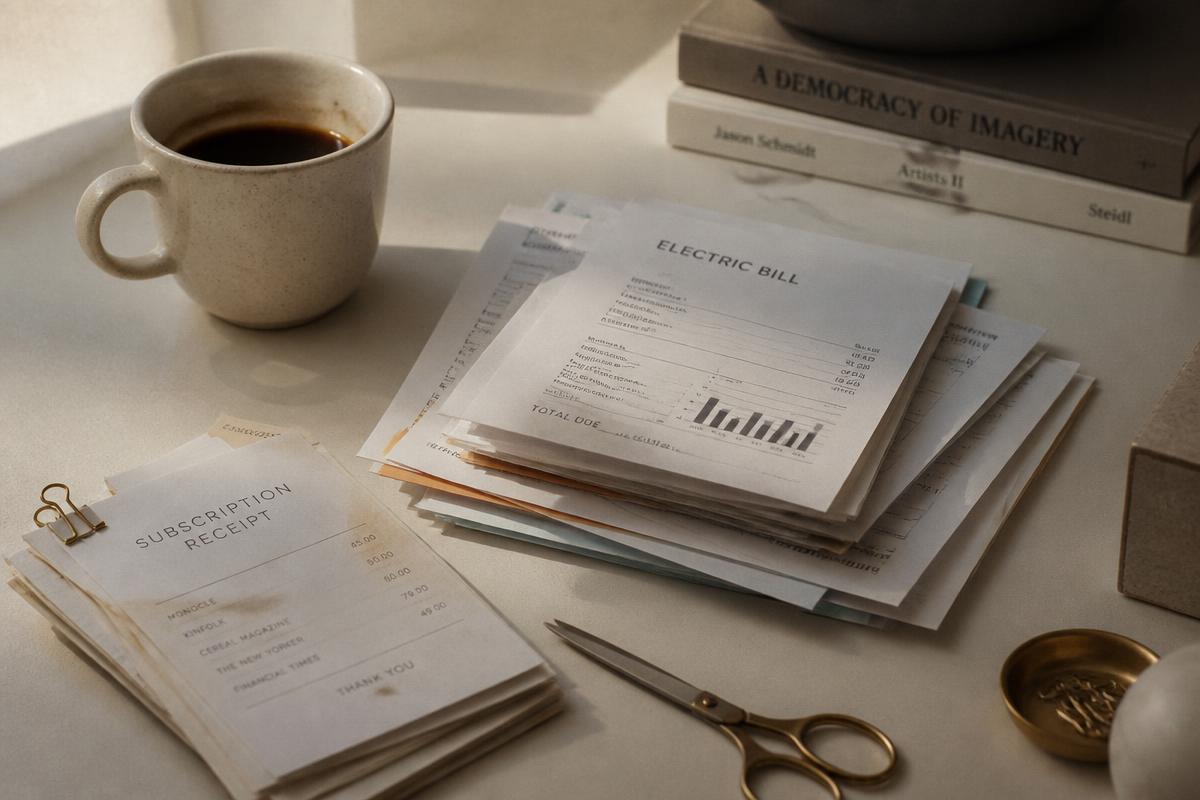
1. Review all your fixed costs
Check your rent, energy, insurance, internet, phone and other fixed costs. Sometimes you have been paying for months for something you barely look at. Start with energy: read 10 smart ways to lower your energy costs.
2. Cancel unused subscriptions
Streaming, apps, gyms and other subscriptions look small, but together they add up quickly.
3. Plan one no-spend week
A week without unnecessary purchases shows you how much you normally spend out of habit.
4. Make a shopping list
A list keeps you from coming home with extra products you did not actually need.
5. Check what you already have
Look in your fridge, freezer, cupboard and bathroom before you buy something new.
FOOD, GROCERIES AND DAILY HABITS
Daily expenses feel small, but they repeat. A few small changes a week are usually more comfortable than one big cut.
6. Plan your meals
A simple weekly plan keeps you from ordering food at the last minute.
7. Try own-brand products
Compare not only brands, but also the price per kilo, litre or item.
8. Bring coffee from home
A daily coffee on the go looks small, but repeating small expenses add up fast.
9. Bring lunch more often
Even a few days a week can already make a difference.
10. Use the 24-hour rule
Wait a day before non-essential purchases. The urge often disappears on its own.
BUY SMARTER INSTEAD OF LIVING LESS
Buying deliberately does not mean never buying anything. It means taking the time to decide whether something really adds value.
11. Delete saved payment details
One extra step at checkout can reduce impulse purchases.
12. Make a list of what you really want
That way you save for deliberate purchases instead of making constant small ones.
13. Compare bigger purchases
Take your time with electronics, furniture, appliances and other larger expenses.
14. Buy second-hand
For many products, second-hand is an excellent option.
15. Sell what you no longer use
A cupboard full of things you never use is often money that has already been spent.
ENJOY LIFE WITHOUT SPENDING MUCH
A plan with no room for enjoyment does not last. Look for cheaper versions of what you like before you cut it out.
16. Create a good night in
A film night, dinner or games evening does not have to be expensive.
17. Look for free activities
Walking, libraries, free events and local activities can be surprisingly good.
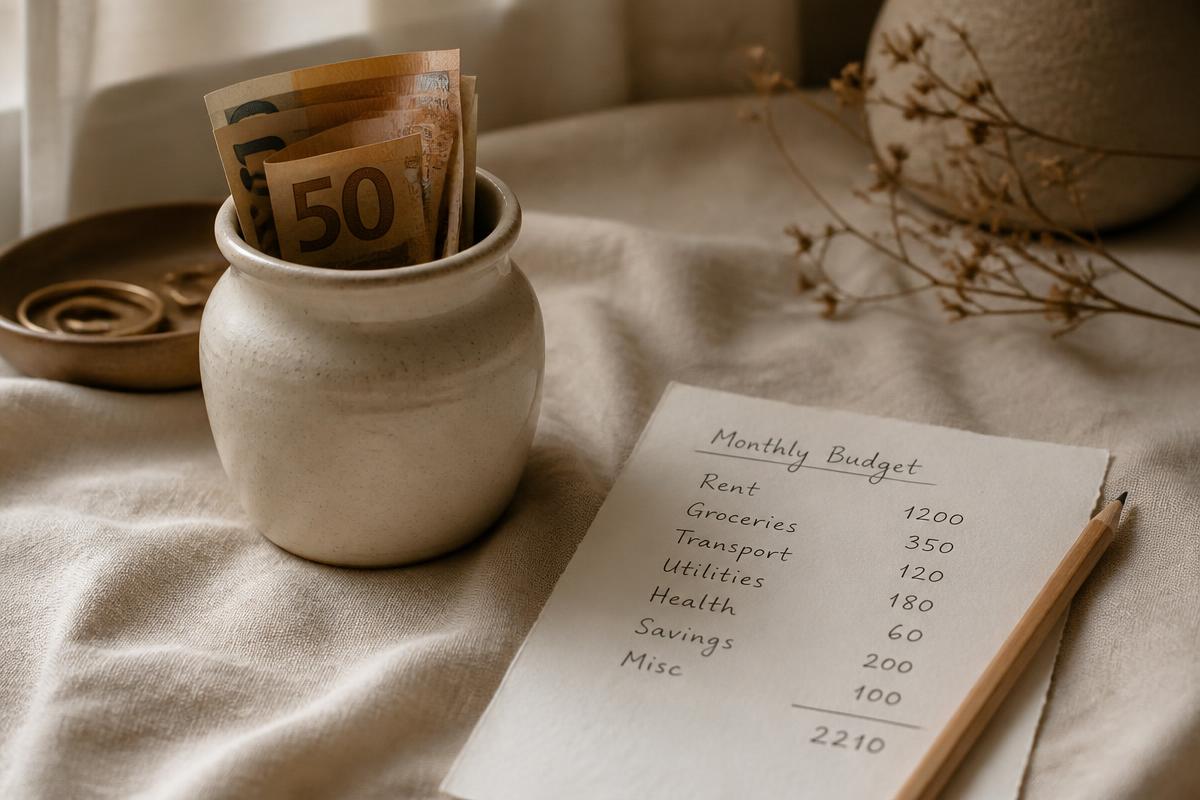
18. Set a weekly budget
A concrete amount usually works better than simply trying to spend less.
19. Check your phone plan
You may be paying for far more data than you actually use.
20. Check your insurance
Review regularly whether your cover and premium still fit your situation.
MORE GRIP, LESS STRESS
Overview creates calm. The feeling of control often matters more than the exact amount you save. Read more at financial stress.
21. Stop paying for convenience you do not need
Delivery fees, express shipping and other small upgrades can quietly cost a lot.
22. Set one savings goal
A goal such as a 500 euro buffer is easier to keep up than only I should save more.
23. Automate your saving
Setting aside a small amount automatically works better than waiting until the end of the month.
24. Give yourself a budget for fun
A good budget also has to be pleasant enough to keep up.
25. Track your money leaks
Watch your small expenses for a month and note which ones you regret afterwards.
THINK IN CHOICES, NOT IN SHORTAGE
Saving works best when it leads somewhere. Give every saved euro a clear destination, or it disappears on its own.
26. Look at fewer deals
A discount is not a saving when you buy something you would not have bought otherwise.
27. Use what you have before buying new
This works especially well for clothing, personal care products and household items.
28. Make money part of your routine
Set aside one evening a week for your finances, for example.
29. Decide what you are saving for
More freedom, less stress, a buffer or a big purchase: a clear goal makes saving easier.
30. Give saved money a destination
When you save 50 euros, do not let it disappear into another purchase. Move it to your buffer, a debt or a savings goal.
SAVING IS ULTIMATELY DELIBERATE CHOOSING
Saving money does not have to mean living less. The goal is not to avoid every small expense. The goal is to discover: what really matters to me?
When you spend less on things that add little value, you keep more room for the things that do matter. That can mean more calm, less financial stress, more control and eventually more freedom.
Handling money better is not only about saving. It is about choosing deliberately.
WANT TO READ FURTHER?
The ebook Finding Your Way Back is a calm, practical guide about rebuilding: money, habits and headspace. No obligation, just an extra resource when you are ready.
Some links on this page may be affiliate links. If you use one, we may earn a small commission at no additional cost to you. Not every link is an affiliate link, and we never take gambling or betting partnerships. Read the full disclosure
This article is general information and not financial advice. How much you save depends on your own situation, contracts and spending.
NEXT STEP
Start small: pick three tips from this list today and put them in motion this week.
DO THE SPENDING CHECKCONTINUE FROM HERE
Two natural next steps, whichever chapter you are working on.